
The Drill Is Not The Training
MOCH COACH NOTES
Adapted from David Movilla
11/15/20262 min read
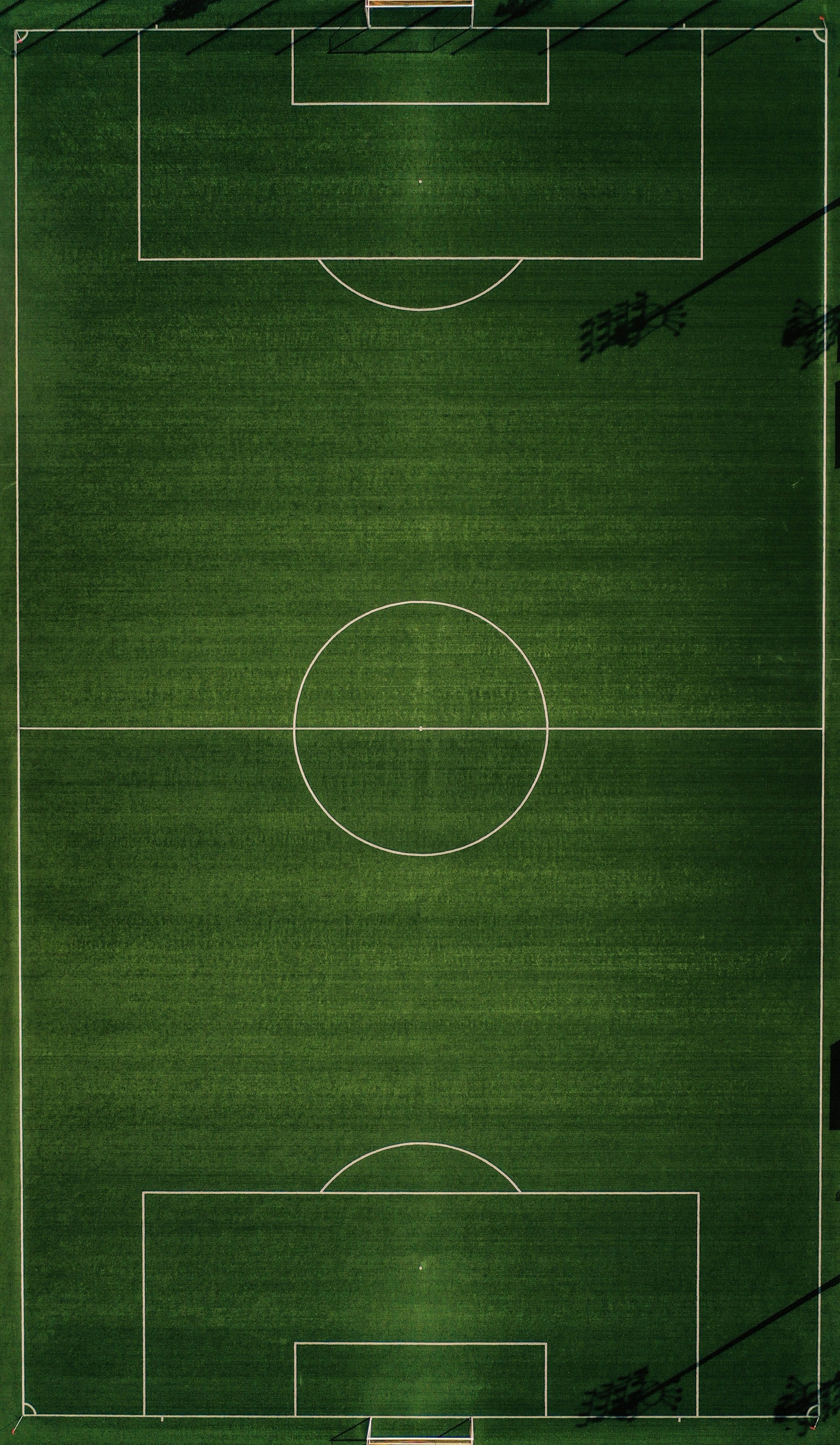
Two coaches can use the exact same drill/task.
Same space.
Same rules.
Same players.
Same amount of time.
One builds learning.
The other builds dependence.
Fear.
And a collection of meaningless passes.
The drill was identical.
The training was not.
Because the drill isn't the training.
It's just the setting.
Coaching is also about deciding what information you give before the session starts.
What you observe as it unfolds.
When you step in.
What you correct.
What you let play out.
What questions you ask.
What emotions you trigger when a player makes a mistake.
And what behaviors you end up reinforcing.
Even when your written objective says something else.
The drill looks great on paper.
It has dimensions.
Number of players.
Rules.
Scoring.
A precise explanation.
It looks controlled.
But learning begins when people step into it.
That's when something no diagram can solve for you comes into play.
Timing.
One coach stops every mistake.
Another waits...
And discovers whether the team can correct itself.
One gives the solution.
Another changes a constraint so the player has to find it.
One uses the stoppage to show how much they know.
Another uses it to help the player understand something they couldn't see before.
One corrects the action.
Another also understands the person receiving the correction.
That changes everything.
You can design a drill to encourage bravery.
And destroy it with your interventions.
Every time someone takes a risk and loses the ball, you stop play.
Raise your voice.
Explain the safer option.
Then you ask for initiative.
Players aren't stupid.
They hear what you say.
But they learn from how you react.
You can also design a simple drill.
And turn it into an extraordinary learning environment.
You observe with intention.
You identify what information the player is using.
You wait for the moment when a correction can change behavior.
You say little.
And make those few words count.
Intervention shouldn't be measured by how many minutes you spend talking.
It should be measured by the impact it has.
Some coaches feel like they're not doing their job unless they interrupt.
They need to make their presence felt.
They fill every silence.
Resolve every doubt.
By the end of the session, they're exhausted.
The players are obedient.
And learning has disappeared beneath a mountain of instructions.
Coaching also means knowing when to be quiet.
Not out of passivity.
But to observe.
To let the problem exist long enough.
To see whether the desired behavior emerges on its own.
To distinguish an isolated mistake from a pattern that needs intervention.
The pause coaches, too.
Your tone coaches, too.
Your body language coaches, too.
The way you handle a mistake teaches the group what they're allowed to try.
And what they should hide (for fear of getting it wrong)
That's why copying drills isn't the same as copying training sessions.
You can download a drill from a great coach.
You can't download their judgment.
Or their ability to observe.
Or the relationship they've built with their players.
Or the meaning that drill has within their overall development process.
The drill describes what could happen.
The coach determines what actually happens.
So don't use a task proposal just because it's part of the methodology.
Show me how you communicate.
How you correct.
How you manage the environment.
How you connect what the team experiences today with what they'll need on Sunday.
That's the training.
Everything else is just assembly instructions.
Join MOCH Soccer
Get expert tips and updates straight to your inbox
Contact
Get in touch with MOCH for soccer support
info@mochsoccer.com
European Soccer Performance & Methodology Consulting Firm
Menu
Support
© 2026. All rights reserved.


MUCH more than Soccer